
A World of Difference – The battle against human trafficking starts here
As one of the fastest growing crimes in the world, human trafficking thrives on secrecy. Using deception and exploitation, traffickers generate about $32 billion per year from this despicable industry, and an estimated 20.9 million victims are paying the price at any given time, according to international non-profit Zoe International. A tragedy of epidemic proportions, every bit of difference and aid matters immensely in the fight against trafficking.
While many feel too small to take on such a daunting world atrocity, one couple from Santa Clarita made the decision to do what they could, and today, Zoe International rescues and rehabilitates hundreds of children and victims a year. And it all started with one mission to change.
Michael and Carol Hart of Santa Clarita always knew they wanted to become involved in mission work, and when they learned about the trafficking epidemic, they knew they had found their life’s work. So they joined the fight. Zoe became an official non-profit in 2002, and the Harts sold their home and possessions to set up a children’s home and rescue center in Thailand, an international hub for human trafficking.
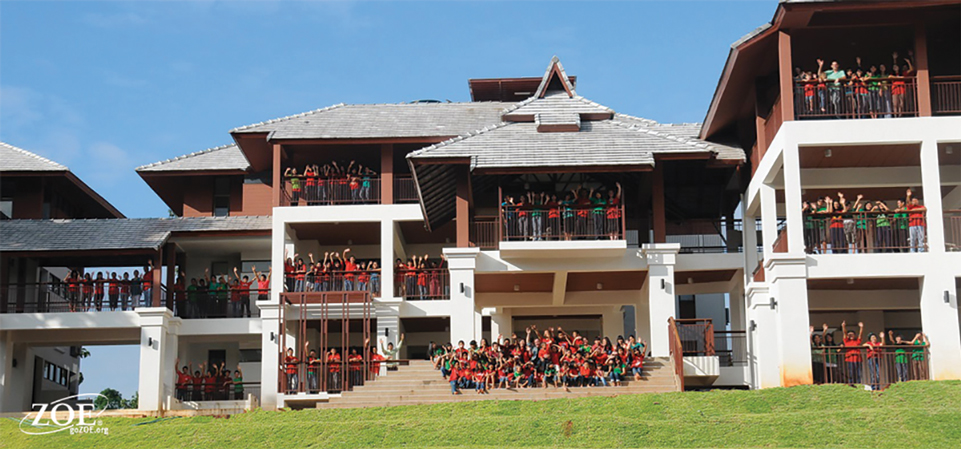
Within a couple years, the home was serving more than 60 children by providing a safe place for recovery and a host of resources for assimilation into normal life. Today, the 40,000-square-foot home serves 70-80 children at any given time. On site, Zoe offers a two-year ministry school, separate lodging for boys and girls, vocational training centers and plenty of room for kids to play. They are currently working on building a child refugee center.
It takes many staff members and volunteers to keep Zoe running, and local volunteers often visit Thailand for on-site mission work.
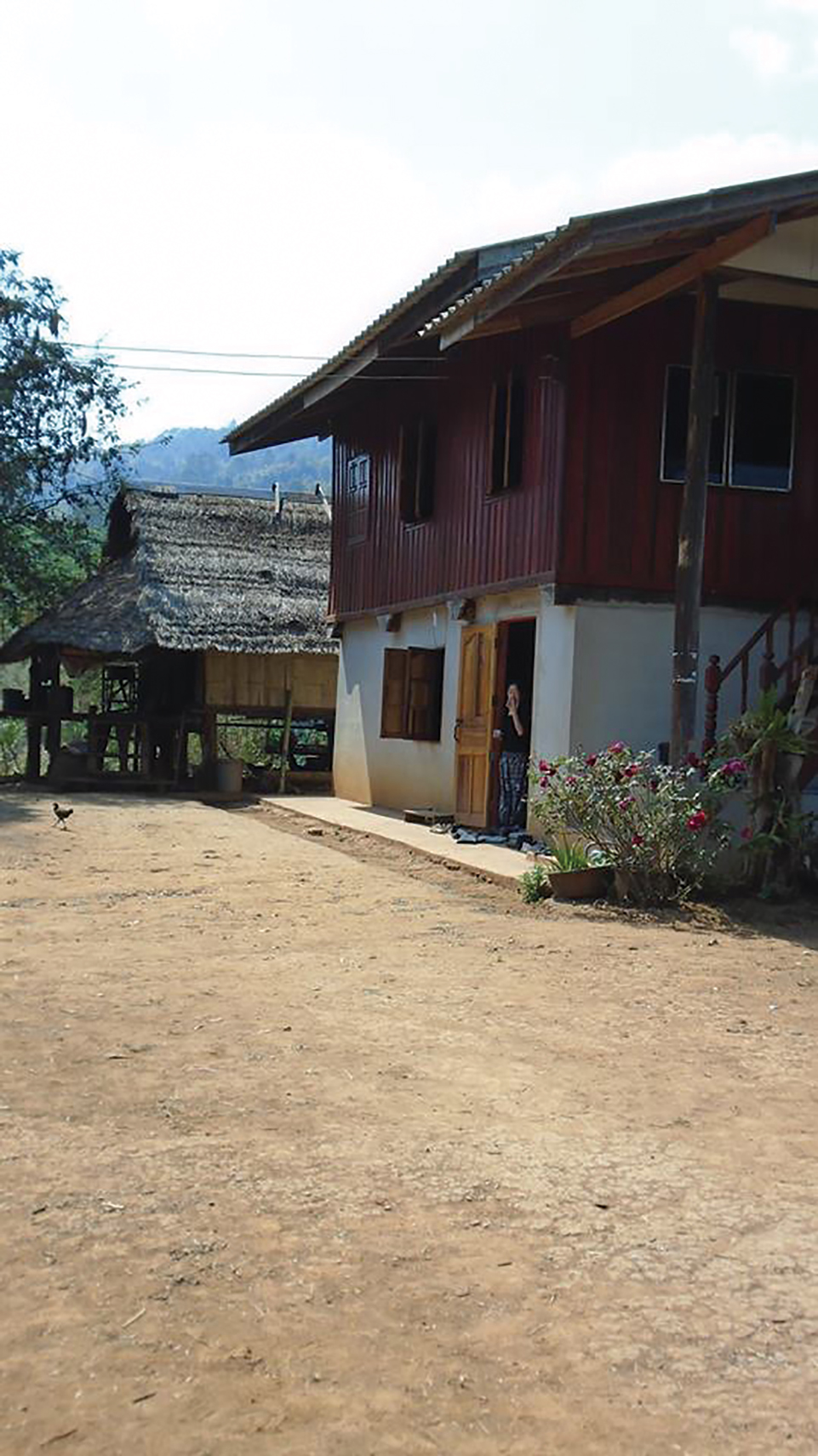
“We visit the villages where children are trafficked from to provide education and spread awareness,” said Stephanie Chabot, who has visited four times and twice with her daughter, Paige. “The first time I visited, it was scary because I had never done anything like this. It was a real eye-opener.”
Women and children fall victim to trafficking for a number of reasons, none of them easy to stomach. Kids could have been orphaned or even sold by their families because they either couldn’t take care of the children or needed the money. Often, kids start by begging for change on the streets and are tricked or coerced into sex slavery as they get older. More malicious traffickers visit the hill tribes and tell families they will take care of their children or find them work. Thinking they are providing a better life for their kids, parents willingly offer their children to the traffickers.
“These traffickers pray upon the vulnerable, the poor, the outcast,” described USA Regional Director Betsy Meenk. “They promise these poor families in the hill villages jobs in the city, and families never see their children again.”
Unfortunately, human trafficking isn’t just a Thailand problem; it exists in every continent in the world, and thousands are trafficked in the United States every year.
“From 2013 to 2015, more than 1,000 children from Los Angeles County alone were referred to the Department of Child and Family Services as suspected or confirmed victims of commercial sexual exploitation,” Betsy said. “This is not an issue for the other side of the world; it’s happening right here in our own backyard – even Santa Clarita.”
While the methods are different, the strategy is the same for local traffickers. Searching out vulnerable kids, the ones who may be having trouble at home, local traffickers most often initiate contact online. By grooming the kids, they build digital relationships and secure the child or teen’s trust. Through their online friendship, traffickers identify what the victim wants or needs and eventually introduce sexual content.
“Now they can control the victim through fear, blackmail or harm,” Betsy explained.
One meet-up is all it takes before the child is kidnapped, drugged and enslaved. The average age of entry, Betsy said, is 14 years old.
“Volunteering with Zoe has opened my eyes to what the world is really like,” Stephanie said. “We grow up in a society that’s too busy or scared to see what’s really out there. In reality, I’ve experienced enough to know there are scary and bad things out there. But I’m not going to ignore it.”
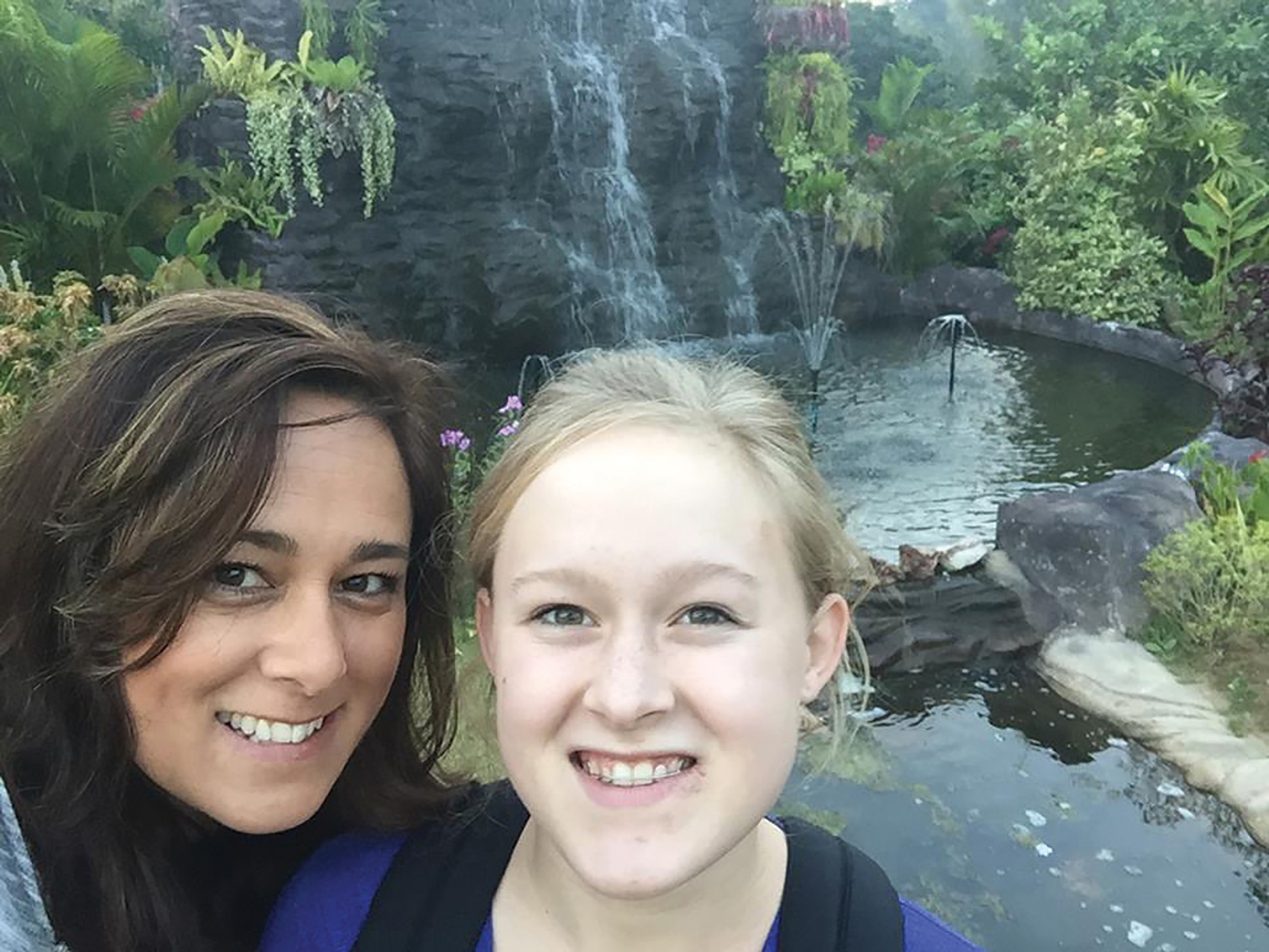
Instead, Stephanie shared her volunteer experience with her family and created a lasting teaching opportunity for her children. Though everyone in her family volunteers for Zoe in some way, her daughter Paige has accompanied Stephanie to Thailand on two occasions.
“It’s really cool to experience,” Paige said of visiting the children’s home in Thailand. “Hanging out with the kids is really fun, and I got to develop close relationships with the girls. I couldn’t even tell what the kids have been through – they just act like normal kids.”
Stephanie has watched Paige’s heart grow through this entire experience.
“Life is not always about fun,” Stephanie said. “We want to teach our kids about giving back – we want them to get involved in what’s happening in the world. Even if we only rescue one child, that’s huge.”
Looking for a way to help? Zoe International is holding its fifth annual Zoe Rescue Walk on November 5 at Los Angeles Mission College in Sylmar. To register, please visit www.zoerescuewalk.com. For other ways to volunteer or donate, please visit www.gozoe.org.

Comments
ADVERTISE WITH US

A Message from the Associate Publisher Alexander Hafizi – May/June 2026
There are moments in life that truly make you pause, reflect, and feel an overwhelming sense of gratitude. Being nominated for SCV Man of the Year is one of those moments for me.To be recognized is an honor in itself, but to be nominated by three incredible...

A Life of Purpose Dr. Robert “Jack” Casey and the Heart of Emergency Medicine
In every community, there are individuals whose work quietly shapes the lives of others in profound and lasting ways. In Santa Clarita, one of those individuals is Dr. Robert “Jack” Casey, a physician and leader whose impact reaches far beyond the walls of Henry Mayo...
A Life Built on Connection, Creativity, and Community Featuring Mario Brucker
For SCV Senior Center member Mario Brucker, life has been a journey defined by resilience, creativity, and the power of human connection. Having been part of the center for nearly three years, Mario has found not just a place to spend his days, but a true sense of...