
Local History In A Faraway Harbor
A floating tribute to the tenacity of a Santa Clarita legend is on the move to make way for a preservation project. But the seaworthy vessel isn’t in Castaic Lake. For the last 54 years, it’s been part of a remarkable collection located 350 miles north of here at the San Francisco Maritime National Historic Park.
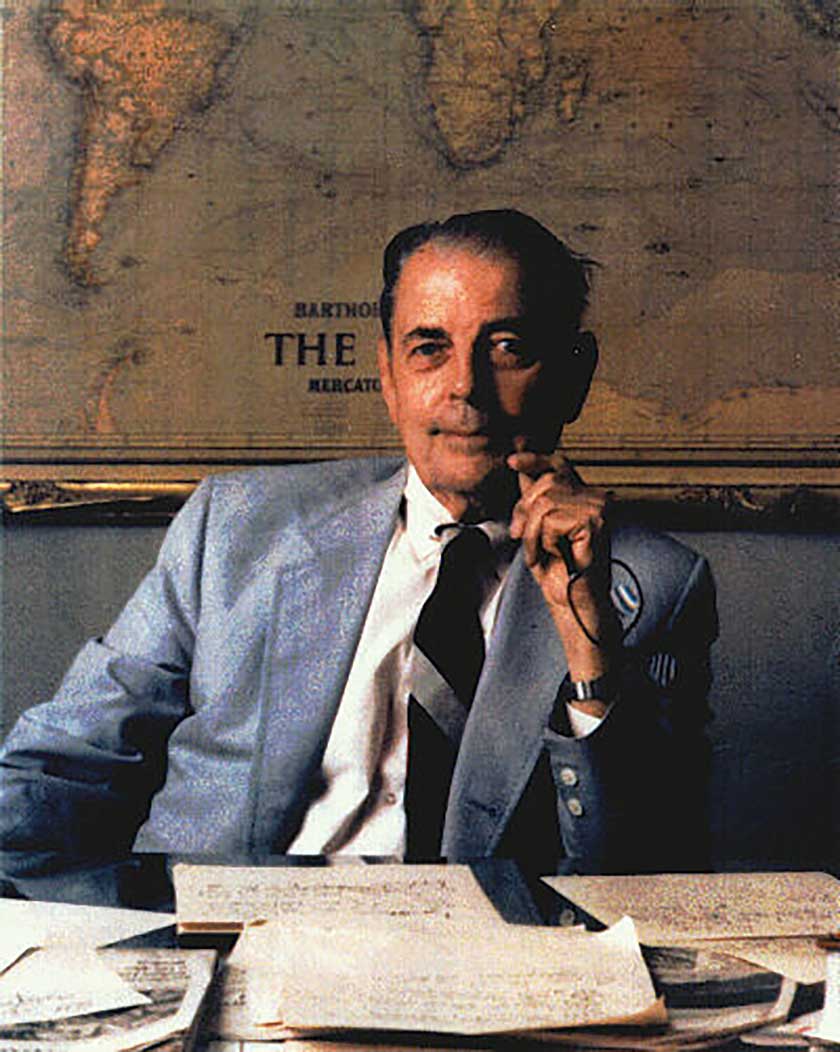
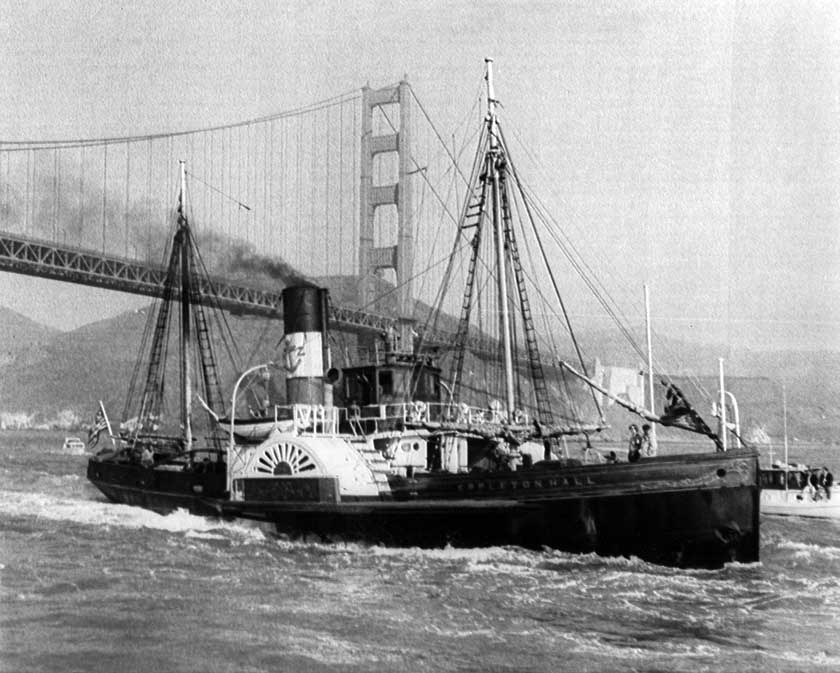
The 1922 Hyde Street Pier, long in need of renovation, is being replaced with a concrete structure over the next few years and the “tenants” of the park have been moved to drydock on Mare Island. Along with the 1880s three-masted wooden-hulled schooner C.A. Thayer; the 1886 three-masted, steel-hulled cargo ship Balclutha; 1907 steam tugboat Hercules; and 1890 paddlewheel ferry Eureka, went the smallest of the lot, the Eppleton Hall – once owned by Scott Newhall, the great grandson of Henry Mayo Newhall himself.
You’ve probably been to Fisherman’s Wharf and never noticed the diminutive, 100-foot, green, black and white tug, built in 1914 and the last of its kind in the world, that owes its salvation to Newhall. In 1969, Scott was not just the owner of The Newhall Signal, he was also the executive editor of the San Francisco Chronicle. In that position, he had many influential friends, including Karl Kartum, the executive director of the San Francisco Maritime Museum. When they learned the historic steam paddle wheel tug was mired in mud in Newcastle-Upon-Tyne, England, it became Newhall’s mission to save her.
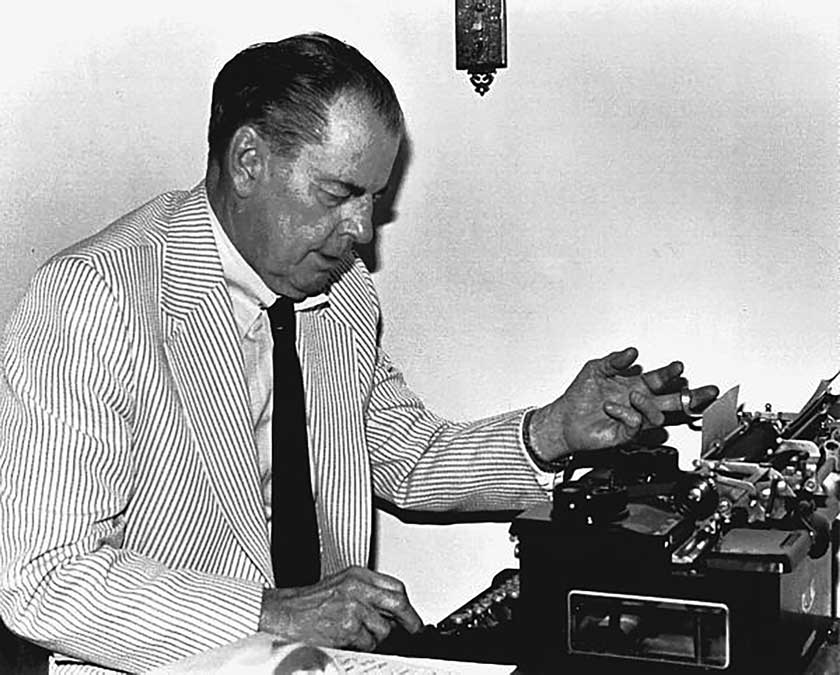
According to “Eppleton Hall,” a book written by Newhall about the ship and its journey to the West Coast, the woodwork was burned out, paddle floats and boxes were either rotted or burned, the engines were rusted or scummy and the bottom was full of water.
After hiring a restoration crew to fix a few things – new decks, new hatches, new ladders, new pilothouse, new bulwarks, new watertight doors, and accommodations for 12 crewmembers – there remained a few necessary updates. To facilitate its trip to San Francisco, the Eppleton Hall needed to be converted from coal to diesel fuel, equipped with a sail rig to handle the trade winds of the Atlantic, engine telegraphs, lifeboats and lifesaving equipment, a radio antenna and new masts.
Newhall also had to deal with a small technicality – when the Eppleton Hall was decommissioned, it was removed from the registry of ships. To bring it to America as a tugboat, they would have to have a fully-licensed crew. Refusing to let bureaucracy sink their noble voyage, Newhall arranged for the Eppleton Hall to travel to San Francisco with a volunteer crew classified as a personal yacht. Much of the crew were young apprentices, who learned much of their craft on board during the trip.
The group embarked upon their 11,000 mile journey from Newcastle to San Francisco on September 18, 1969. After a colorful journey down the European and North African coasts, the Eppleton Hall crossed the Atlantic, skirting along the northern coast of South America and through the Panama Canal, up the coast of Mexico, reaching the San Francisco Bay on a sunny day in September 1970. With Scott and his wife, Ruth standing at the bow, the Eppleton Hall splashed under the Golden Gate Bridge, and turned two pirouettes before gliding to her final berth. In Newhall’s own words, “During the entire voyage, she had never paddled so fast nor flaunted her Edwardian charm with so much flair as she did during this victorious entrance into San Francisco’s world-celebrated harbor.”
To learn more about the Eppleton Hall, read Scott’s book (available on eBay and other online resources). It’s worth the journey just to read Newhall’s legendary narrative.
To learn more about the SC History Center, visit www.scvhs.org.
SCVHistory-EppletonHall-P2
SCVHistory-EppletonHall-P3
SCVHistory-EppletonHall-P1
Comments
ADVERTISE WITH US

ULTIMATE KID ACTIVITIES AWARD WINNERS 2025
Congratulations to élite Magazine’s 7th Annual Ultimate Kid Activities Professionals! These are the best of the best in their field voted on by thousands of community members and our readers. Be sure if you see them to say you saw it in élite Magazine. Ultimate...

The Artful Life of Virginia Miranda
For decades, Virginia Miranda has brought color, creativity, and inspiration to the Santa Clarita community. A lifelong artist and devoted teacher, Virginia’s journey began with pencil sketches in grammar school and blossomed into a celebrated career in oil painting...

Beyond the Big Five: Life Lessons from an African Safari
They call them the Big Five: the lion, the leopard, the elephant, the African buffalo, and the rhinoceros. According to Wikipedia, the term was coined by big safari game hunters to refer to the five most difficult animals in Africa to hunt on foot. My wife, Terry, and...