
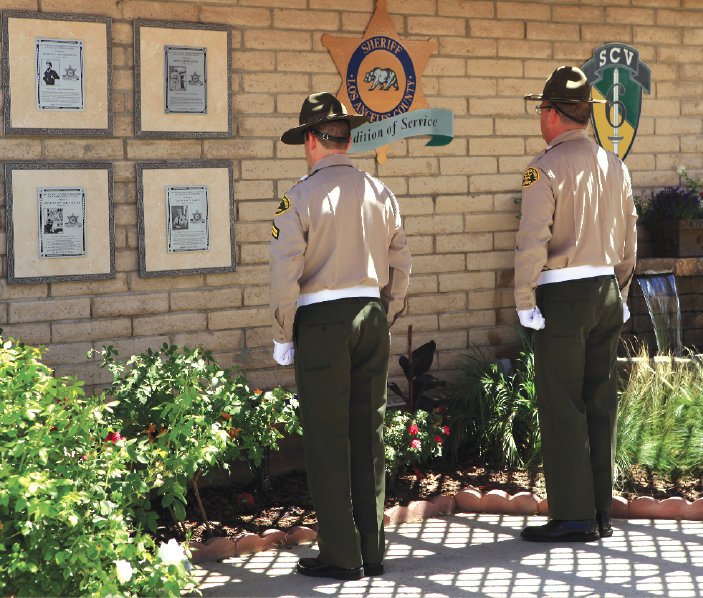
| With the birth of the 20th century, the United States had evolved into an era of prosperity in the economy, an era of great expression in artistic impression, an era of controversy with the traditional values associated with conservatism. The Roaring Twenties characterized the era’s distinctive cultural edge in most of the world’s major cities for a period of sustained economic prosperity with a boom in the stock market as a result of an increased obsession with consumer demand. The decade emphasized the social, artistic, and cultural dynamism with jazz music blossoming in the “ghettos” of Harlem, new literary moods being injected into society, a golden age of cinema, and a heightened peak in the area of Art Deco. Politically, the 1920s hosted an environment of controversy with the ratification of the Eighteenth Amendment, legalizing prohibition, the Immigration Act of 1924, restricting the quotas on newcomers, and the Scopes Trial, raising the debate between evolution and creationism. More locally, Santa Clarita was nothing like it is today in the 1920s. Back when gas was only 20 cents to the gallon and the historic Beale’s Cut was proving to be too difficult a path for the growing modernization of automobiles, the Newhall Auto Tunnel was the only highway in the entire valley. A two-lane road in Northwestern Santa Clarita, today it is known as Highway 14. With less than 100 buildings, there was nothing but pastures and farmland in this southern California chaparral. The only forms of attraction were the constant filming and the Baker Ranch Rodeo, later known as Saugus Speedway. Among the near desolate land was a single jail building in the Newhall Area. Built in 1850, the L.A. County Sheriff’s office has been patrolling the valley ever since. Serving in an era of boot-legging and bank robberies, the small community jail house stood poised as a paragon of justice during the days of J. Edgar Hoover and the long list of public enemies through the early half of the century. Among the Sheriff staff was Deputy Constable J. Edward Brown. Born in Missouri in July of 1878, he arrived in Saugus, California from Nevada with his wife and was appointed Deputy Constable while quickly earning a reputation as a brave and respected deputy. Deputy Constable Brown met his untimely death during a fierce gunfight in Saugus on Sunday, September 14, 1924. He was described as honest, congenial, just, and courageous. Deputy Constable Brown was very well regarded by all who knew him, and his bravery in law enforcement will never be forgotten among his family and the Santa Clarita Sheriff Deputies. The local publication of the day noted an account of Brown’s demise, but news of the deputy’s valor only recently surfaced when a relative of one of Brown’s friends found clippings detailing the event in a scrapbook! Before this finding, the Santa Clarita Sheriffs only knew of three other lawmen that died in action: Deputy Arthur Pelino, killed March 19, 1978; Deputy Hagop Kuredjian, August 31, 2001; and Deputy Randy Hamson, October 24, 2008. Because of this, the Santa Clarita Valley Sheriff’s Station recently rededicated their memorial wall to include Deputy Constable J. Edward Brown among the other fallen heroes at their gathering celebrating 40 years of service.
|
|

