
Beyond the Big Five: Life Lessons from an African Safari
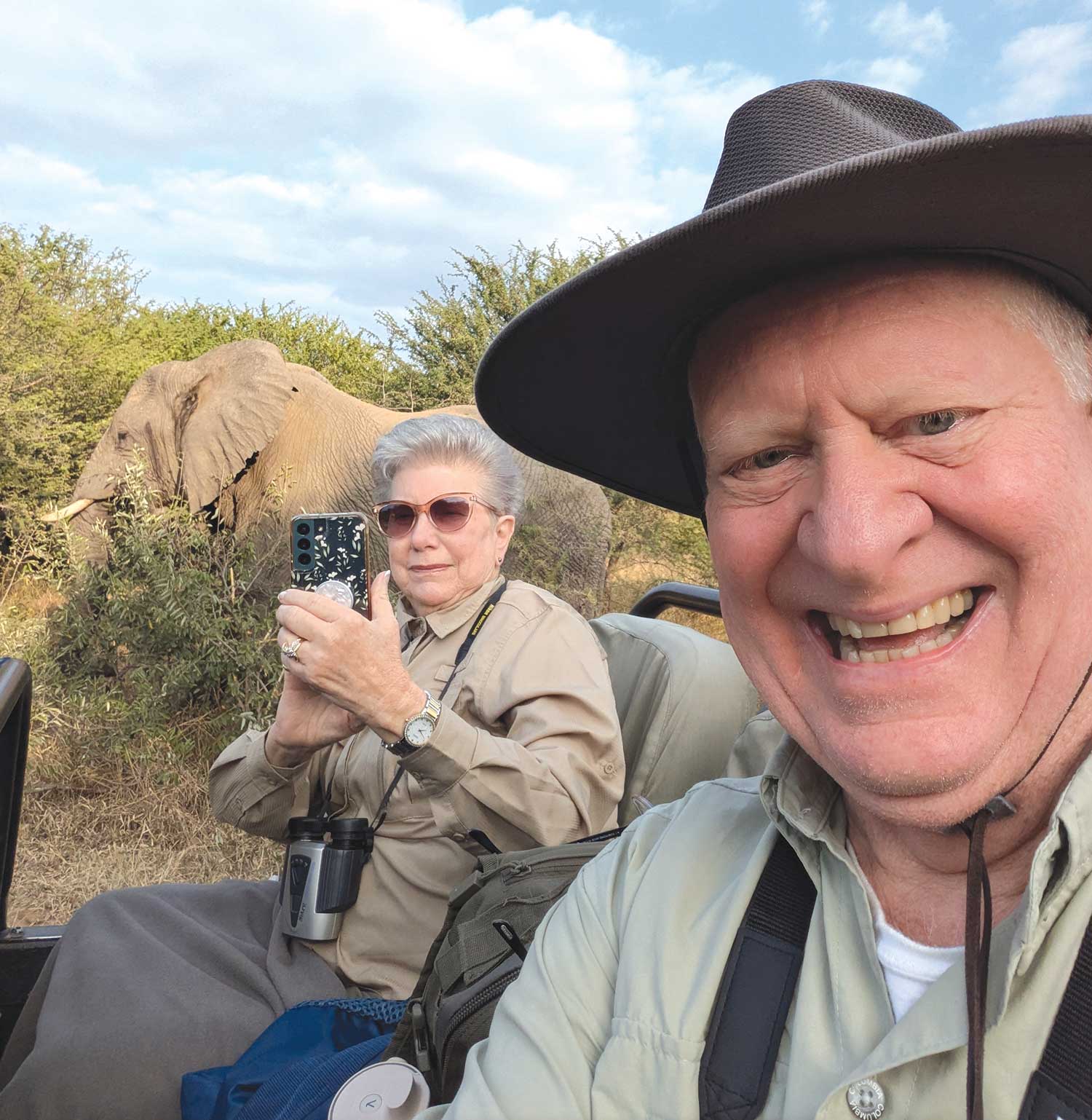
They call them the Big Five: the lion, the leopard, the elephant, the African buffalo, and the rhinoceros. According to Wikipedia, the term was coined by big safari game hunters to refer to the five most difficult animals in Africa to hunt on foot. My wife, Terry, and I have just returned from our own African safari.
We are happy to report that neither one of us was killed. We weren’t even maimed. Rather, we were delighted, enthralled, enchanted, and enlightened. We saw all of the big five several times at the Kapama Private Game Reserve. And, in addition to the thrilling safari, we got to know some of the locals who live and work at Kapama.
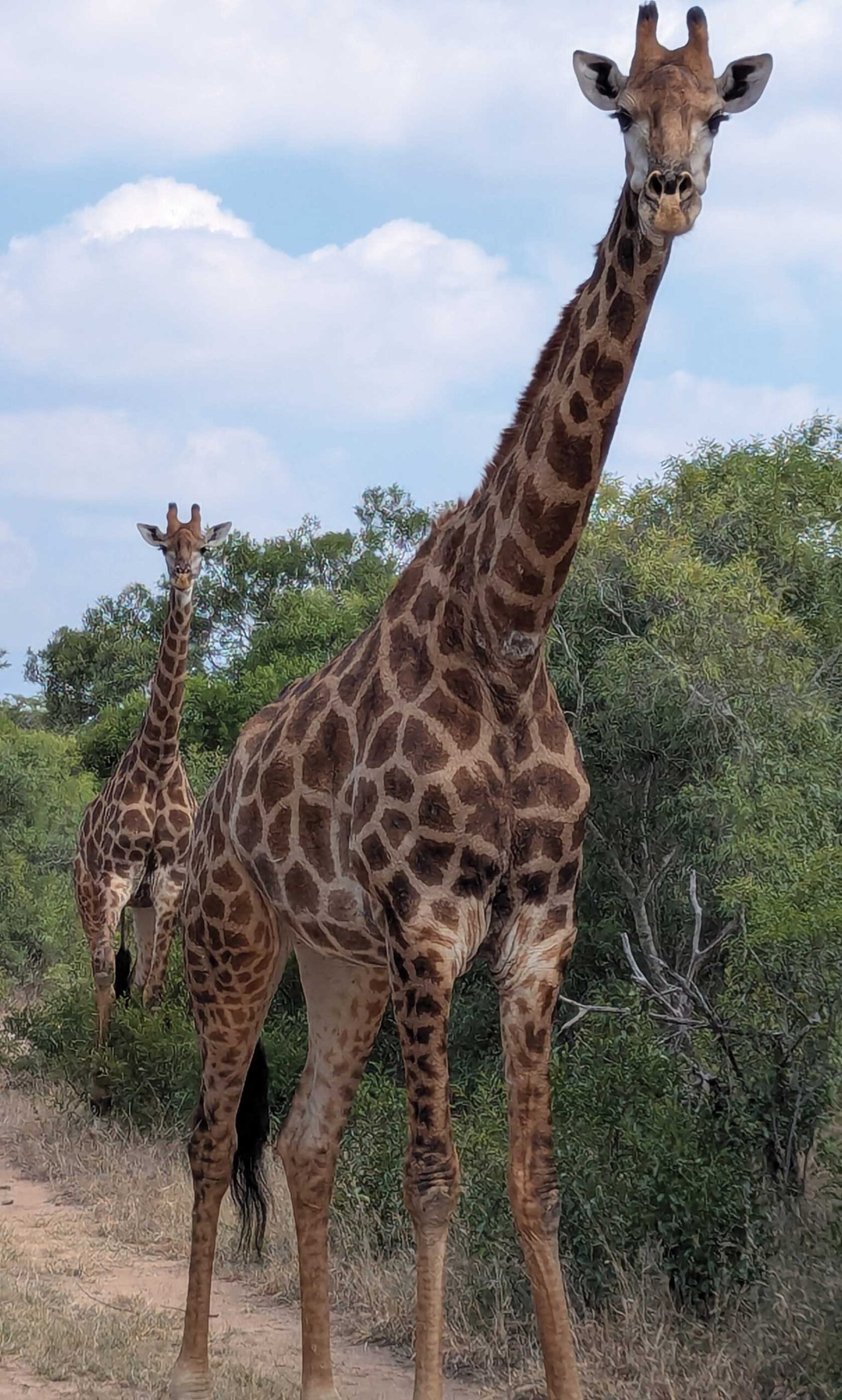
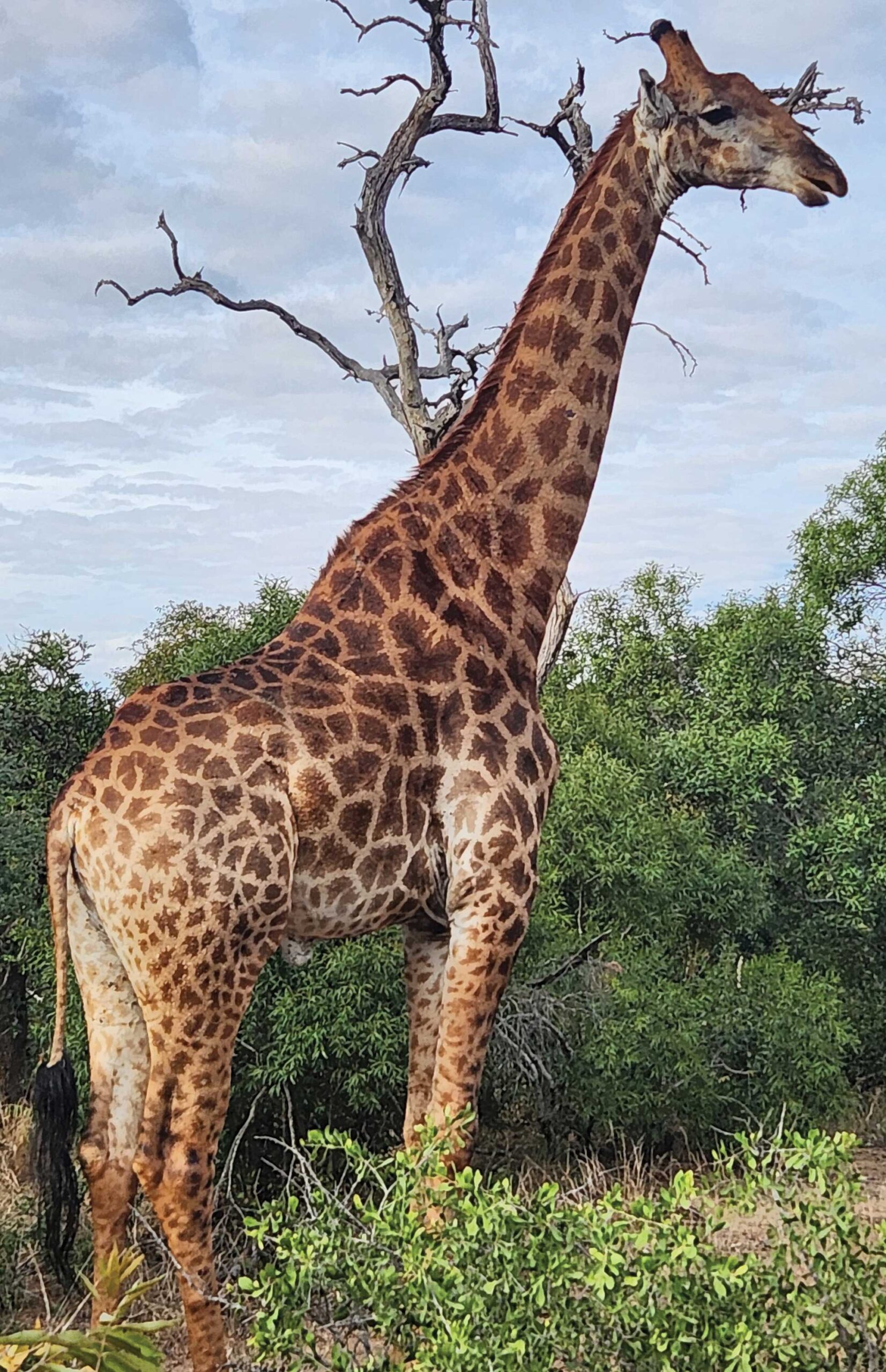
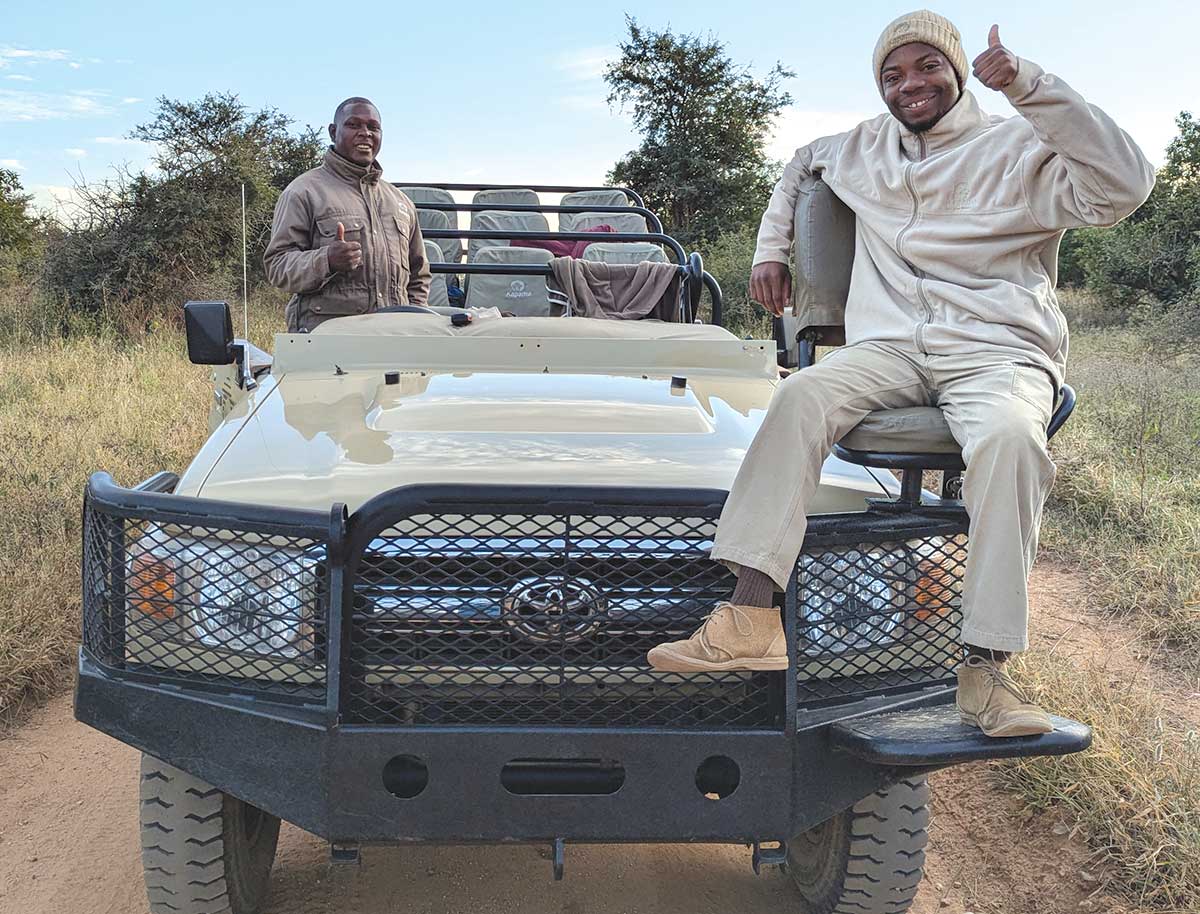
Siven was our guide, and Collymore was our tracker. Together they make an outstanding team. For instance, just on our short way in from the airport to the reserve, we spotted impala, elephants, and a giraffe.
Clearly, they know what they’re doing.
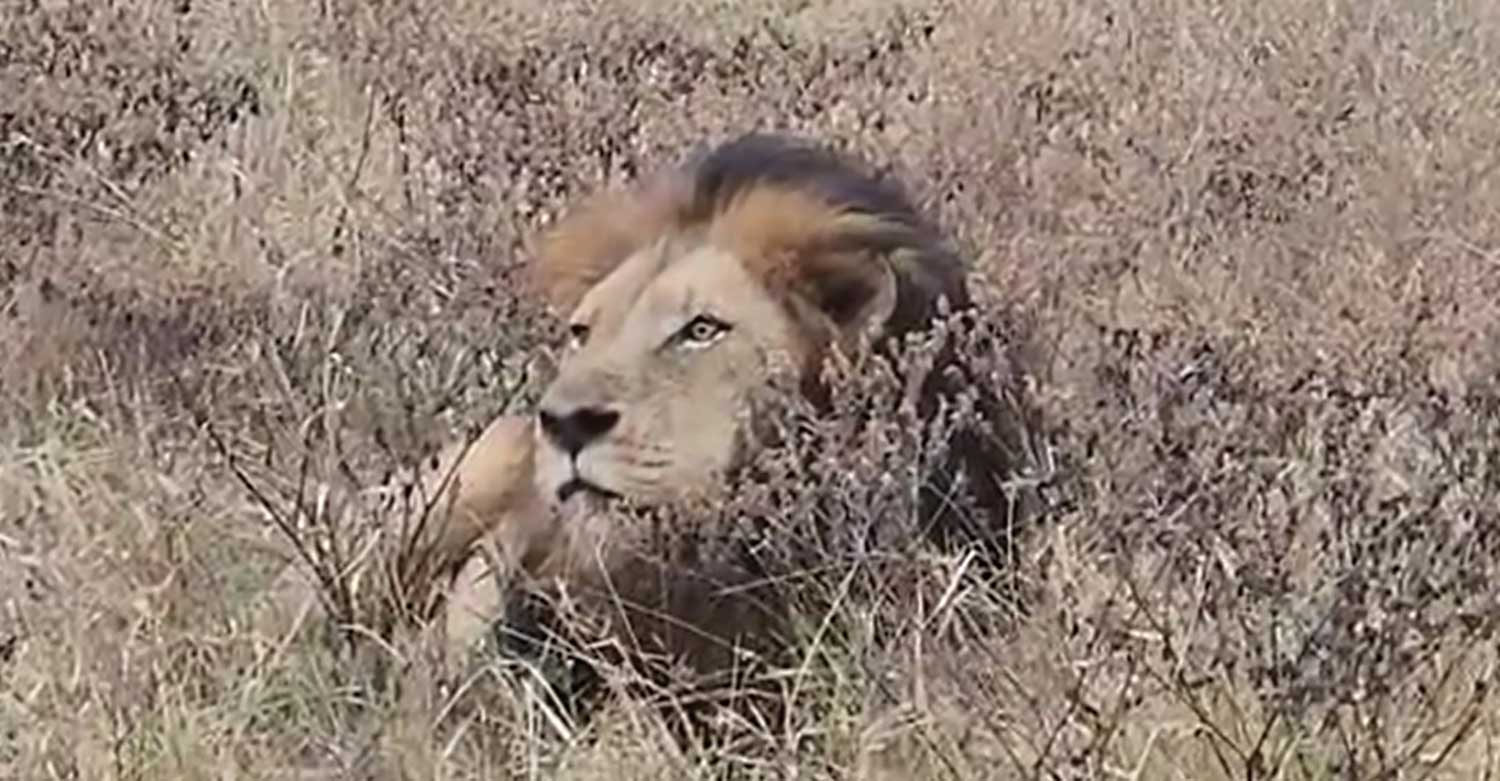
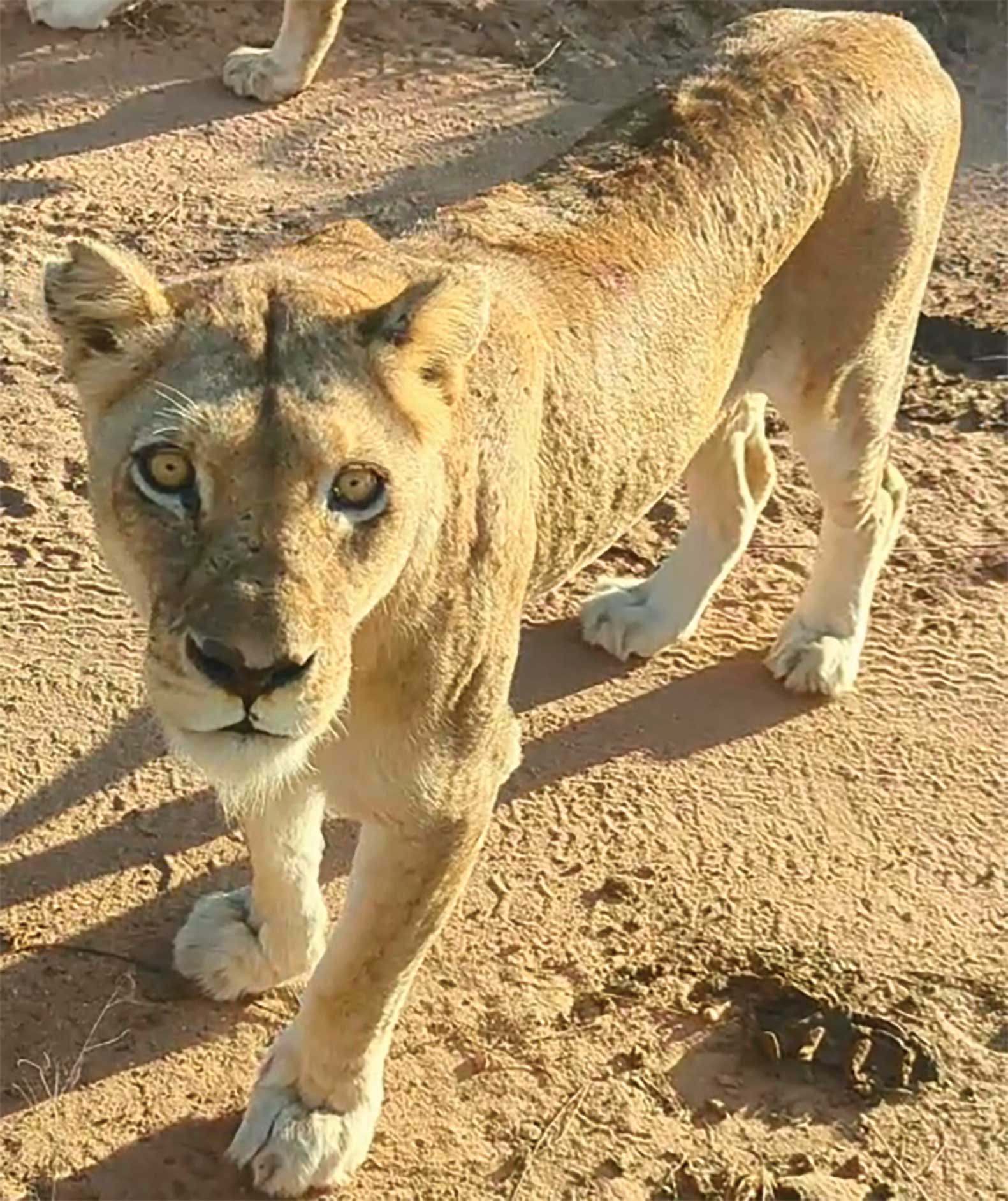
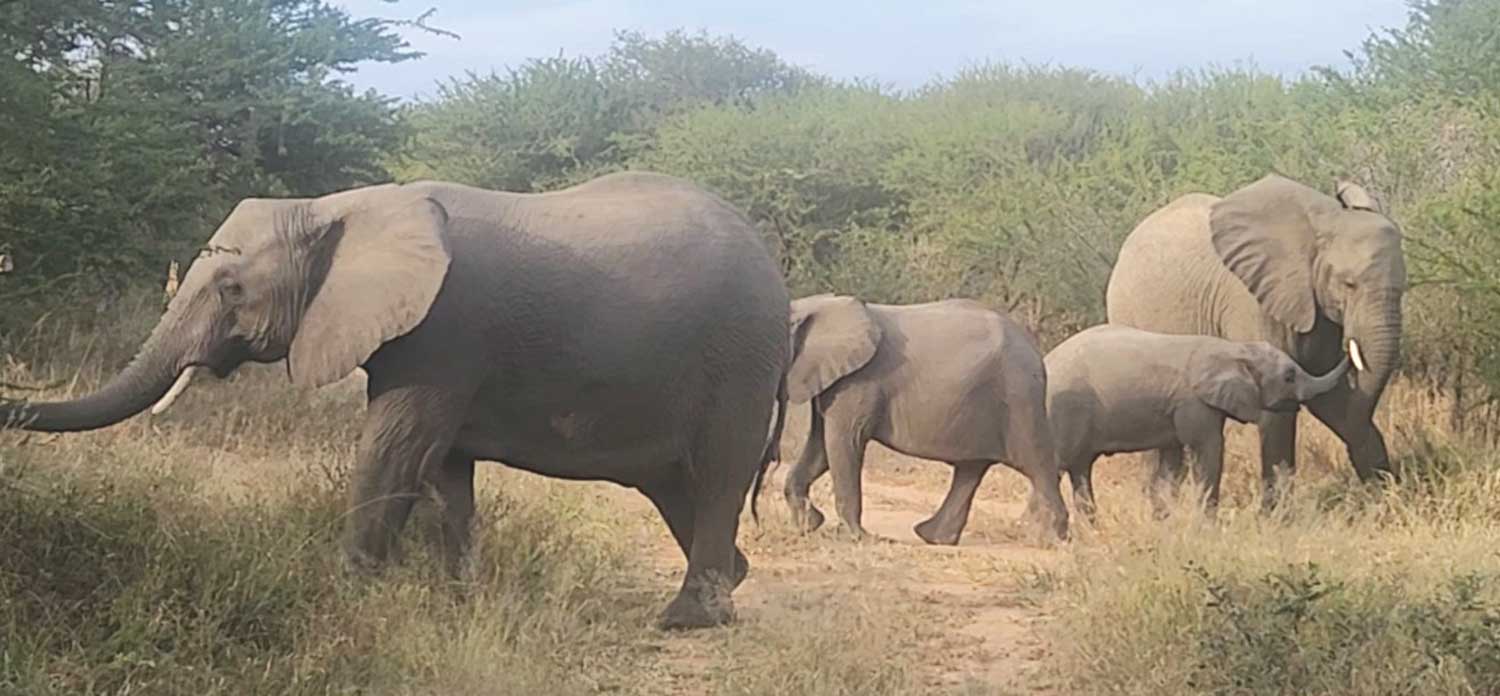
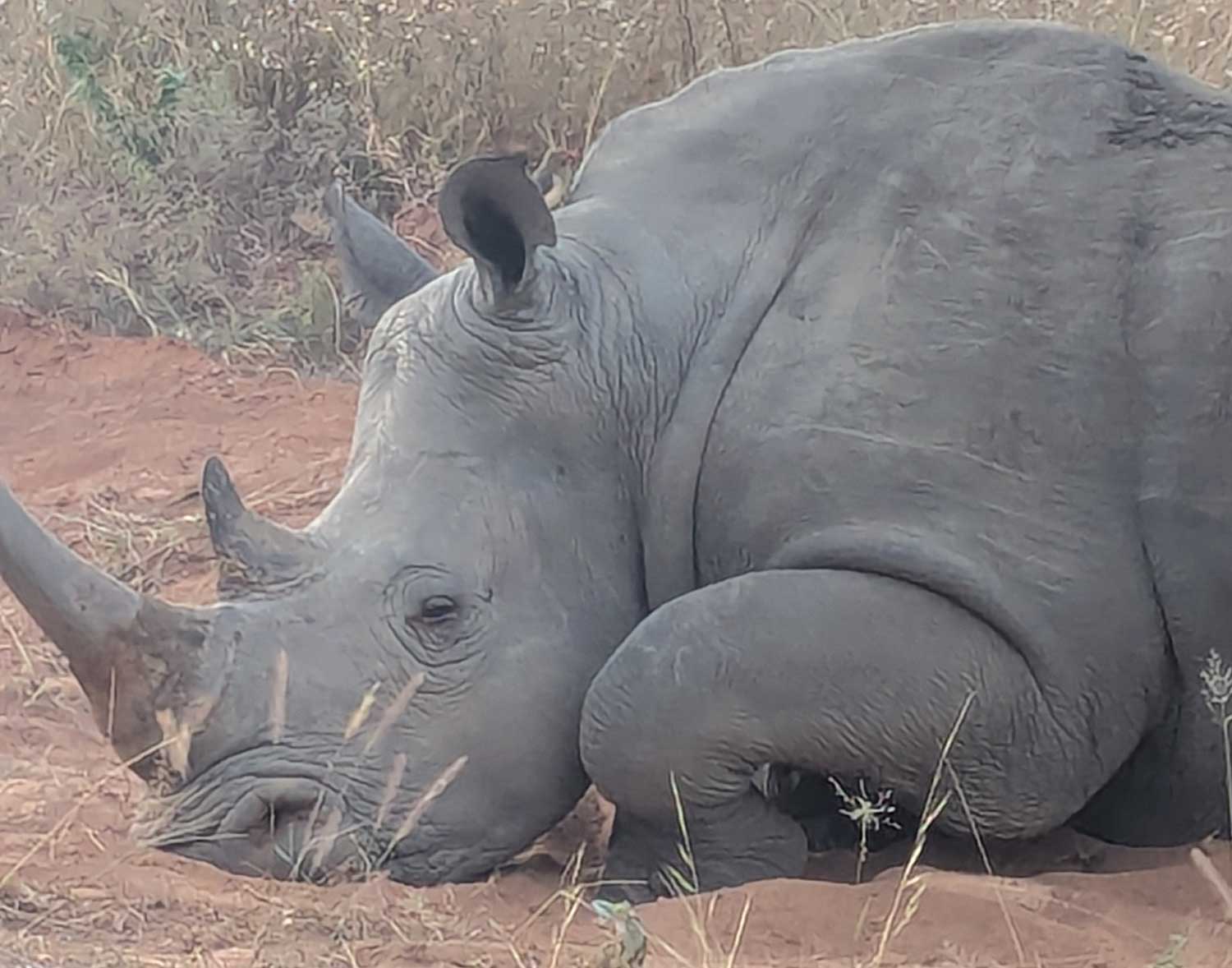
During the safari, we saw lions four or five times, leopards three or four times, elephants almost every day, and giraffes three or four times a day, along with rhinos.
Beyond the big five, we also saw hippopotamus, hyenas, baboons, monkeys, several types of antelope, Cape Buffalo, and jackals. Not to mention a variety of birds and crocodiles.
Siven mentioned respect several times. Respect for the animals, respect for the environment, respect for the people. And respect for the overall safari experience.
The respect resulted in us not only seeing the large animals, but spending time at a termite hill, examining how industrious those little creatures are. Watching a mongoose in its home in an abandoned termite hill. And even spending time catching up with chameleons. Collymore, our sharp-eyed tracker, spotted the lizard hanging out hiding in a tree, in pitch black darkness with a handheld spotlight.
While driving, we would hear different birds singing, and Siven would identify what we heard. For example, he highlighted the different types of vultures (some truly massive) that South Africa has. We also saw hawks and eagles, including one carrying a snake.
Going on a safari is not like going to a zoo at all. For instance, one afternoon we followed three lionesses who had been out tracking. We tailed them over to a waterhole while they drank. As they were enjoying some cool refreshment, one of them spotted a warthog coming close to the waterhole. Then, without any visible communication, two of the females separated to go around the blindside of the warthog, while the third approached it surreptitiously.
Fortunately for the warthog, these were fairly young lions. As a result, the lioness attacked too quickly, alerting the warthog to the danger. He escaped. We learned later that an impala was not so lucky, as the lionesses we had spotted were then feasting on its corpse.
Our itinerary was always fluid. Perhaps an evening cocktail on the Savannah, along with specially prepared desserts and entrees. Another time it meant we dashed to another location because a leopard had made a successful hunt.
We rushed to see the leopard that had killed and dragged an antelope up into a tree. Curled on a tree limb, she rested, exhausted from the hunt. These are things you simply don’t see in a zoo or anywhere in Los Angeles County or the United States. This is the reason why you need to go on a safari.
It is a whole other world, a completely different experience. And it’s not like anything you can see on TV.
We stayed in the Southern Camp of Kapama. This isn’t roughing it at all. Actually, it’s pretty glamorous. We had our own complete full bathroom (with two sinks!), a king size bed, and a patio overlooking the savannah. All three of our meals were made-to-order, as were additional refreshments before we left for the morning drive and an afternoon tea to gather for the night drive. Mixed drinks from the open bar were available whenever we felt like it. The staff were attentive, friendly, kind, and very efficient.
Kitchen, restaurant, and housekeeping staff are all crucial. But you spend 6 hours a day with your guide and your tracker. They can make or break your safari. We were blessed to have Siven and Collymore.
Siven knew he wanted to be a guide from his late teens. He spent his own time and money to get trained and educated in the art and science of knowing where to find the animals and how to respond to them.
He also knows his flora and fauna beyond anything that one could rationally expect.
Importantly, his notion of philosophy governs his interactions with both his guests and with the animals. He knows when instruction and discipline is needed to keep us safe. He knows when there is going to be a fight, he senses when the animals are getting ready to eat, and he can recognize the signs that a momma lion is being very protective of her young.
For instance, one night, we were out and encountered about 10 elephants, ranging in age from probably just a few months to some that were 30 or 40 years old. We had a great time watching them.
Then, later that night, we discovered a very large bull elephant in musth. And Siven knew enough to go nowhere near him. He made sure we were able to admire him from afar. But he also knew that if the elephant felt threatened or challenged, he would charge us.
Overall, Terry and I thoroughly enjoyed the trip. We learned from Siven how mutual respect for each other, the animals, and the land provide the foundation for a delightful experience.
And we gained a new philosophy of life from Collymore. He’s an attentive and eager apprentice. While sitting on the front of our Land Cruiser, he watched for footprints, tracks, and scat. He used these to determine what animal(s) had been there, how long ago, and even their sex.
But sometimes he had to jump down from his seat to more closely inspect the signs of the animals. One time, he just wasn’t able to find any footprints. So, he stood up and told us, “If you can’t find the tracks, you have to follow the poop.” Perhaps a new way to approach life’s challenges? © Carl Kanowsky June 13, 2025
giraffesx2
Kanowsky-Giraffe
Lion-resting
lioness
elephants
Siven-and-Collymore
rhino
karl&wife
Comments
ADVERTISE WITH US

Ultimate Business Award Winners 2026
Congratulations to élite Magazine’s 12th Annual Ultimate Business Professionals! These are the best of the best in their field voted on by thousands of community members and our readers. Be sure if you see them to say you saw it in élite Magazine. To vote for the next...
One Story One City 2026: Where Stories Meet Music
In Santa Clarita, we take pride in building a city where people feel connected. That connection does not always come from big moments. It often starts in places that feel familiar, like your local library, and with something simple, like a story you can talk about...

SCV Water Leading the Santa Clarita Valley Toward a Drought-Ready Future
As spring arrives in Southern California, ushering in renewed growth, outdoor living, and refreshed landscapes, water remains the foundation of life in the Santa Clarita Valley.In a region defined by sunshine and an active outdoor lifestyle, water plays a central role...