
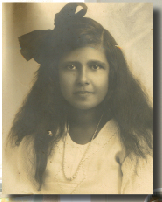
OMA*
*Dutch for Grandma
She survived 30 months in the horrible conditions of World War II prison camps. She endured the loss of her unborn child. She migrated to a new country with little to no money to spare. She watched her home as it was engulfed in flames, knowing she would never set foot it in again. And yet, Willy Rudolph is not known for what she has lost in her life, but rather for what she has given to others.
OMA**Dutch for Grandmaby Stephanie Elgin She survived 30 months in the horrible conditions of World War II prison camps. She endured the loss of her unborn child. She migrated to a new country with little to no money to spare. She watched her home as it was engulfed in flames, knowing she would never set foot it in again. And yet, Willy Rudolph is not known for what she has lost in her life, but rather for what she has given to others. It wasn’t until World War II when the Japanese occupied the islands of Indonesia, that Willy experienced all the harsh realities that war brings. “Life was terrible,” Willy remembers. “I can still hear the Japanese knocking on my door, I was seven months pregnant then, and I jumped out the window with my young son, Louis, in fear of being captured. I fell, broke my back and lost my unborn child. After they found me under the bridge near the river, I was taken to a prison camp.” As history states, the Japanese occupation of Indonesia was not a gentle one. Japanese troops often acted harshly, withholding food and other vital necessities. Many Indonesians suffered and starved. Willy survived, and in 1955, she and her husband, Johannes, moved to the Netherlands. Just four years later, a very pregnant Willy, her four children and husband immigrated to the United States. Nearly penniless, Willy and Johannes managed to survive and spent the rest of their lives dedicated to helping others—preparing food and offering ministry to the homeless and hungry six days a week. Willy’s home cooked meals gave her the title “Mama” by many of the homeless. “We did this because our hearts knew what ‘hungry’ was,” states Willy, “in five years, we fed over 50,000 people using our social security money and donations from the church. It’s what we had to do.” Willy and Johannes received numerous accolades for their charitable work before having to scale back on their efforts due to their health. In 1992, they received a commendation by the Board of Supervisors of the County of Los Angeles for their generosity in helping others in need. U.S. Congressman Buck McKeon also sent Willy and Johannes a letter taking the time to acknowledge their active commitment to homeless families and devotion to their community. Buck McKeon wrote, “You are a shining example of what’s good in our society.” In 2005, a fire destroyed Willy and Johannes’ mobile home in the Antelope Valley, the same day Johannes was in the hospital recovering from heart surgery. The large pots that Willy used to cook the meals for the homeless were gone, the yarn she used to make blankets, destroyed, and the family pictures and heirlooms were never to be seen again. Now homeless, Willy and Johannes relocated to the Santa Clarita Valley to stay with their daughter Joan and her husband, Rudy, in Castaic. Just a year and a half after losing their home, Johannes passed away. Willy was left broken-hearted, but her heart of gold still seeks to please others. Willy now lives on her own in a two-bedroom apartment filled with donated yarn to replace what she lost in the fire. She spends much of her time now knitting blankets and hats for the newborns at Henry Mayo Hospital, the seniors at the convalescent home, rehabilitation centers, and cancer patients. While the homeless called her “Mama”, the County of Los Angeles calls her a “Good Samaritan”, I proudly call her “Oma” because she’s my Grandma. |
|


