
A Toast to Your Health
Wine and the Mediterranean Diet with Jacqueline Coleman, AKA History and Wine, and Maria Valetta, AKA Maria The Wine Blonde
Ideas like moderation, the enjoyment of wine as part of a balanced lifestyle, and the Mediterranean approach to living— where wine, food, and connection all play a role in well-being—sounded like a great fit for this health-focused issue of élite Magazine.
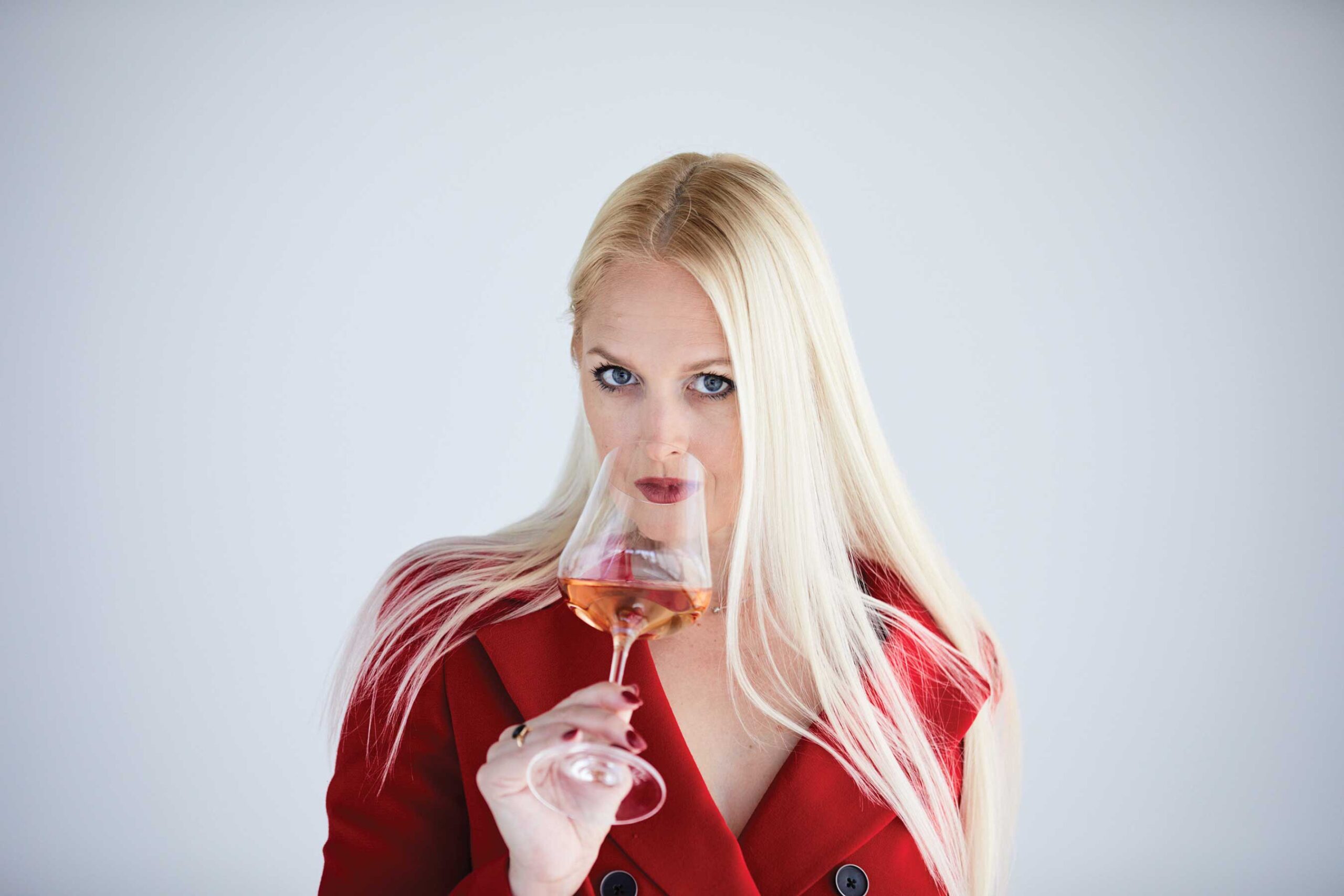
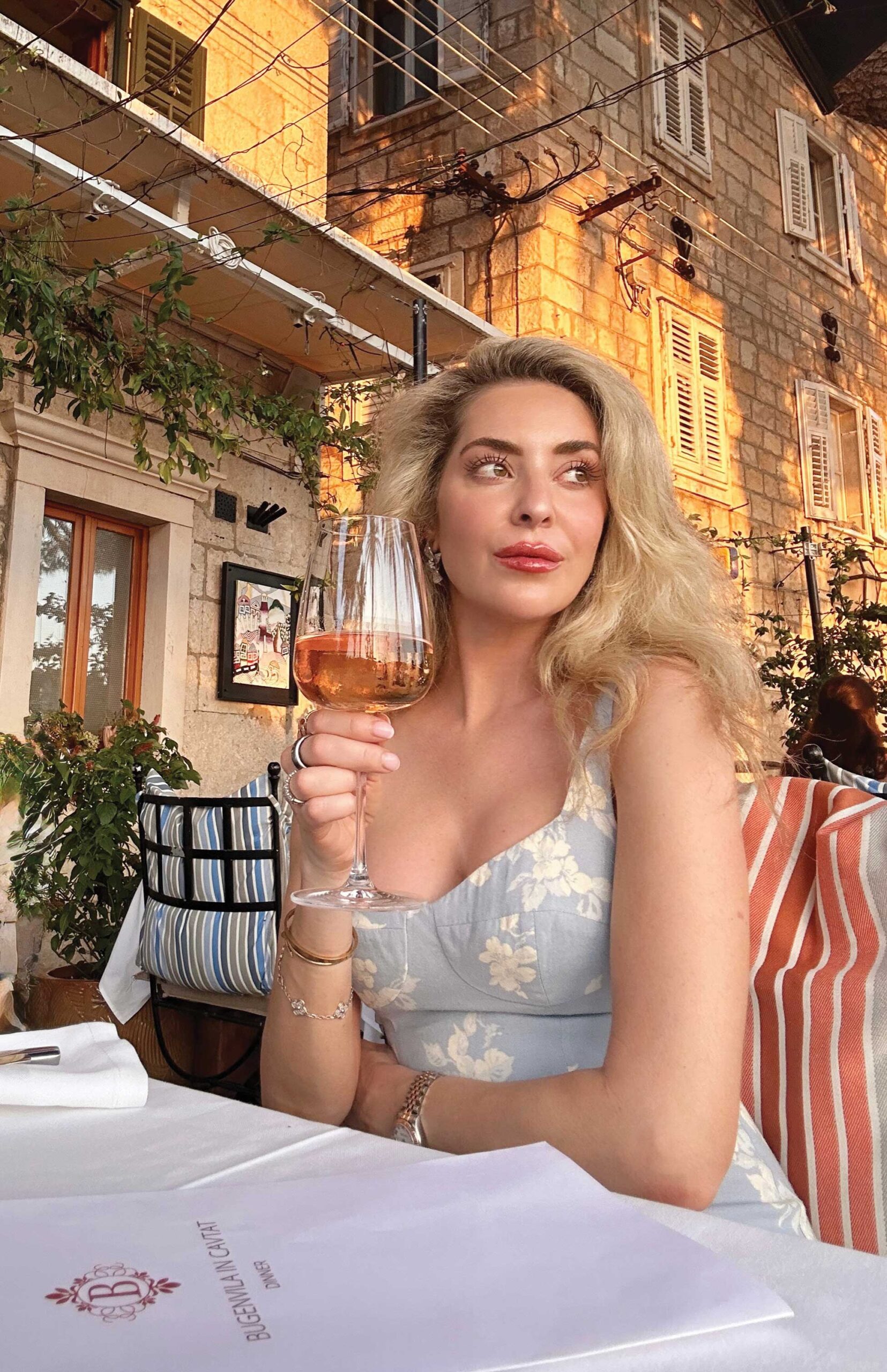
So, I turned to two other wine experts who travel the Mediterranean more often than I do to ask their thoughts on the Mediterranean diet. Jacqueline Coleman is a Miami-based wine and travel writer and Star Wine List’s Miami Ambassador. Online, she is known as @WineAndTravel and has been the wine columnist at the Biscayne Times for nine years. Maria Valetta, known online as @MariaTheWineBlonde, is a Las Vegas–based wine educator and a Certified Sommelier. Both share luxury wine, travel, and culinary experiences from leading wine regions around the world.
Jacqueline Coleman
The Mediterranean diet has definitely influenced how I eat at home. For many dishes that we cook, we use olive oil in different ways, often in dressings and replacing butter with bread. It’s usually the inspiration for how we plan meals. Along with other Mediterranean foods such as fresh fish, vegetables, and lentils, we try to incorporate these items into most meals during the week. I think the beauty of the Mediterranean diet is that it’s not about restriction, but balance, freshness, and a harmonious integration into an overall healthy lifestyle.
It’s easy for me when it comes to choosing wines because Mediterranean grapes and styles are typically what I gravitate towards. Red wine from the South of France with its famous garrigue characteristics, fresh island whites like Assyrtiko from Greece and Vermentino from Sardinia, and really, any rosé from Provence or other Mediterranean coastal regions. The goal is to find wines with lower alcohol content, when possible, to include with meals.
Some of my favorite pairings are white fish with olive oil, lemon, and capers along with simple lemon potatoes and green beans, paired with a Greek Assyrtiko. We’ve started making Niçoise Salad for lunch regularly, and it’s perfect with a glass of Provençal rosé. Ingredients and wines that can be found ‘growing’ together along the coast usually make for delightful pairings to discover.
Maria Valetta
One thing that has always fascinated me when traveling through Italy, Spain, Greece, and Croatia is how naturally people seem to eat. Meals are generous—fresh sourdough bread, seafood, vegetables, olive oil, and wine—yet the overall lifestyle feels remarkably balanced. I’ve often come home from these trips realizing that despite enjoying wonderful meals every day, my clothes somehow fit a little better than when I left.
What stands out most is the role of olive oil. In many homes and restaurants throughout the Mediterranean, a bottle of good olive oil simply lives on the table. It’s drizzled over fish, vegetables, Greek yogurt, and simple greens without hesitation. I’ve adopted that habit at home as well. Americans sometimes shy away from fat, but high-quality olive oil is a cornerstone of Mediterranean cooking and one of the reasons the diet is so often associated with longevity and heart health.
When it comes to wine pairings, I often look to the flavors and traditions of the region itself for guidance. Some of the most natural combinations come from coastal Mediterranean cuisines, where seafood, olive oil, and bright mineral-driven wines have evolved alongside one another for centuries. One of my favorites is grilled branzino with leafy greens dressed in olive oil, paired with a crisp Pošip from Croatia, whose bright acidity and subtle salinity echo the flavors of the Adriatic. I also love the relaxed dining culture you find throughout Spain—tapas paired with a lighter red from Bierzo made from the Mencía grape, which can surprisingly work with seafood, or a bright Albariño when you want something fresh alongside coastal dishes. Ultimately, Mediterranean dining isn’t about strict rules—it’s about simple ingredients, good olive oil, and wines that naturally belong beside the food.
Eve Bushman has a Level Two Intermediate Certification from the Wine and Spirits Education Trust (WSET), a “certification in the first globally-recognized course” as an American Wine Specialist ® from the North American Sommelier Association (NASA), Level 1 Sake Award from WSET, was the subject of a 60-minute Wine Immersion video (over 16k views), authored “Wine Etiquette for Everyone” and has served as a judge for the Proof Awards, Cellarmasters, LA Wine Competition, Long Beach Grand Cru and the Global Wine Awards. You can email Eve@EveWine101.com to ask a question about wine or spirits. Follow on Instagram and Facebook

Comments
ADVERTISE WITH US

Oh là là – Coq Au Vin
Chicken is often underrated in winter as we often turn to more hearty meat dishes. But this classic French chicken stew shows how rich and hearty a chicken dish can be. It is best prepared in a Dutch oven but can be adapted for a slow cooker. Leftovers reheat well and...

Where Everybody Knows Your Name – And Your Goals
There’s a reason the classic TV show Cheers still resonates: it painted a picture of a place where you could walk in, feel instantly welcomed, and know you belonged. A place where people didn’t just know your name — they knew your story. In many ways, that same spirit...

Raise a Glass to Her Wines Created by Two Award-Winning and Philanthropic Women
For this review piece featuring wines made, owned, or inspired by women I reached out to two women in the industry that I’ve personally known for many years. They were thrilled to be included and know that they are truly inspiring and definitely worth putting a...